My Son’s Birth Did Not Go To Plan
My water broke on the Chimacum. That‘s the short version of the story.

Welcome to Death Masks of the 21st Century, a series exploring the crossing between what is fleeting and what is permanent. The weight of a life, the impressions we leave when biology insists on making it temporary, and the radical act of refusing to let a life simply dissolve.
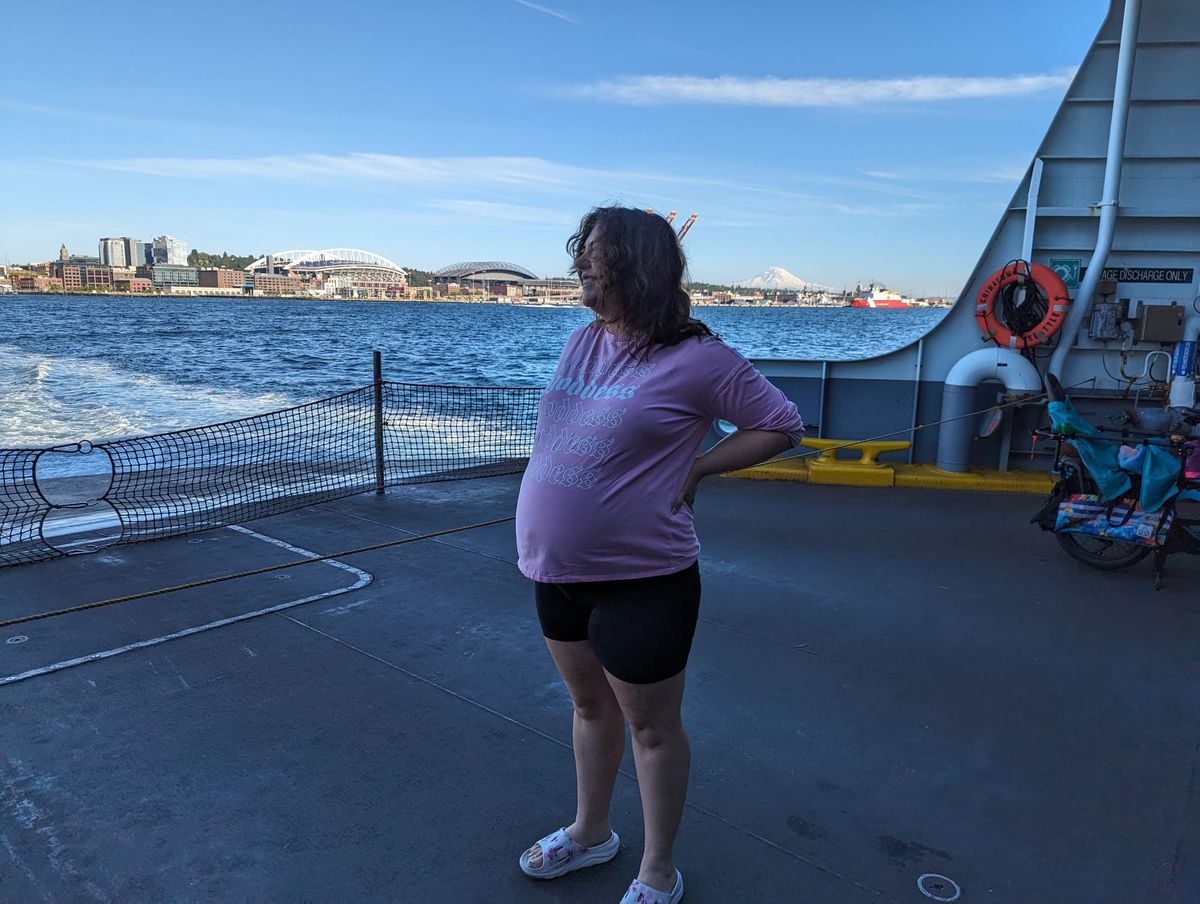
My water broke on the Chimacum. It was a ferry boat inbound to Seattle during the height of the Monday morning commute. That’s the jaw-drop version of my son’s birth story.
The true story starts before dawn. Something had shifted overnight — I felt it before I was fully conscious, the way you feel weather changing in your joints before you open your eyes. I didn’t wake my husband. I drew a bath and sat in the water for hours, feeling for what was coming, watching the light move across the room.
There was a song running through my head. There always is. I remember the specific gray-pink of an early Pacific Northwest morning. Just me and whatever was about to happen next. I was standing at the edge of something enormous without being afraid of it. Or rather — I was afraid, but I was unafraid of being afraid.
By the time we got to the ferry, I knew. The hospital told us to take our time, but we headed that direction just in case. Somewhere in the middle of Eagle Harbor — that suspended in-between space that is neither island nor mainland — my body made its position clear as the salt water we were floating across.
We got to the hospital and I was already at eight centimeters. I had been in labor for hours without fully recognizing it. (That says something about my relationship with my own body that I have spent considerable time thinking about since.)
What followed was not on my meticulously designed birth plan. My son was born close to midnight, after a series of complications. There came a point in that delivery room where I understood something I had only ever understood abstractly: what it means to be genuinely on the edge. The death of the maiden, the birth of the mother, all at once. Not metaphorically. It was the actual edge with its actual drop. And I came back from it when not everyone does.
The death of the maiden, the birth of the mother, all at once.
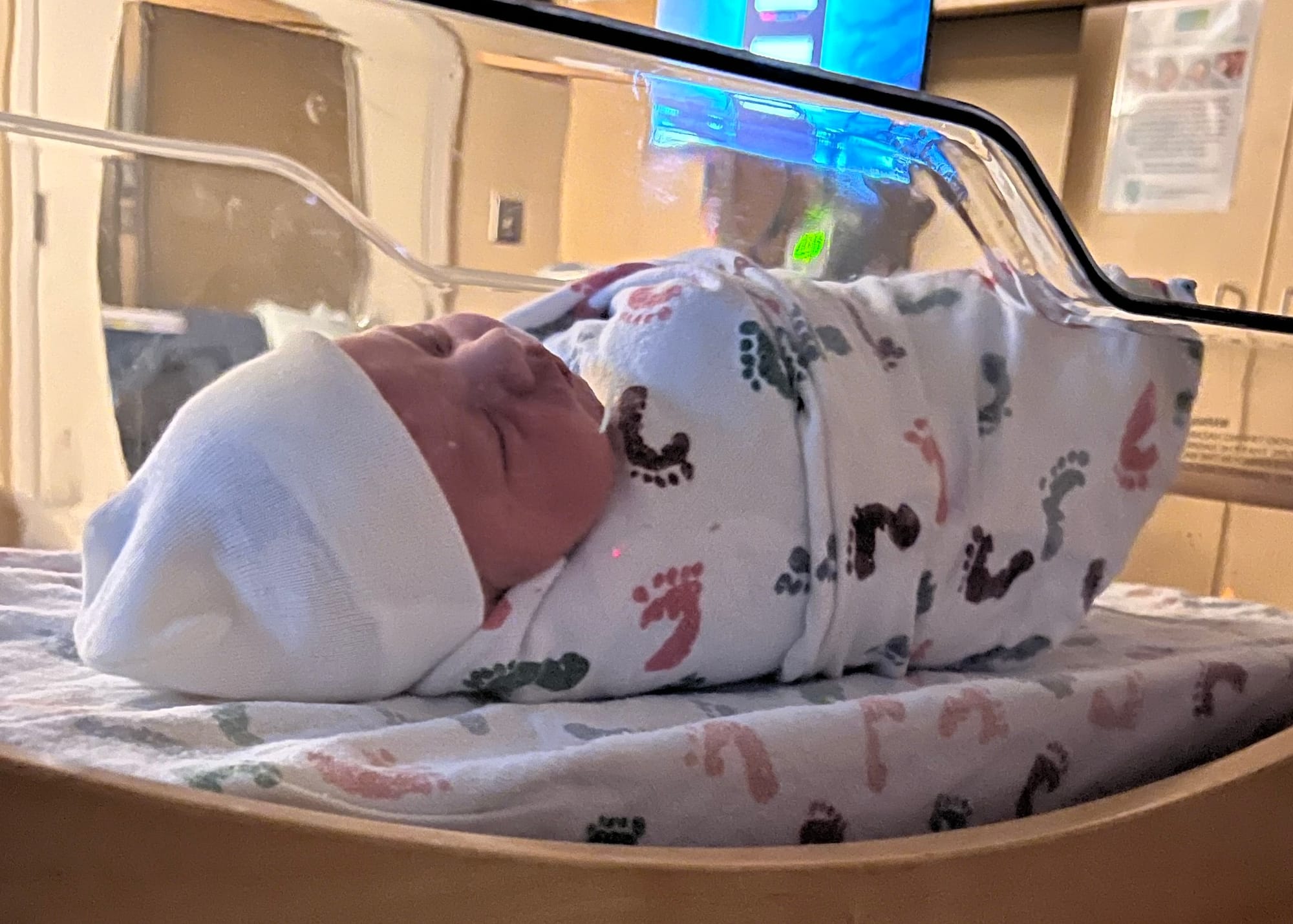
Here is what happens when I tell the Chimacum story: something shifts in a listener’s eyes. Not quite surprise, not quite recognition. A quick and quiet understanding.
Almost every time, she says: good for you.
Not “congratulations.” Not “are you okay.” Just good for you.
I used to think that was a compliment about my particular toughness. I don’t think that anymore. The response is too consistent to be about me. When a woman says those words, she seems to be seeing something she survived herself — something she may have survived entirely alone, without anyone sitting across from her afterward to witness what it cost. The jaw-drop is recognition. The phrase is the thing she needed to hear, routed through me because that’s the closest she can get to giving it to herself.
That is more than sharing a birth story. It is a mirror I carry everywhere.
I did not go into death care because I had processed everything. I went because I hadn’t. I was ready to figure some things out myself.
I did not go into death care because I had processed everything. I went because I hadn’t.
While breastfeeding, I researched what civilizations had said about death throughout history and became obsessed with the story of Orpheus. I watched hospice nurses on livestreams explain the mechanics of passing. I read religious folklore looking for the connective tissue of human experience. I became certified as a death doula. And I found that the only reliable way through something was to push harder toward it — not because that’s wise advice, but because it was the only direction I seemed to know.
Next month will be two years since that day. The Chimacum now runs on a different ferry line. I see the dear boat sometimes and try retelling this whole story to myself again.
It could even end up on my epitaph:
Miranda Sita Schneider: “My water broke on the Chimacum.”
I keep telling this story because something necessary happens when I do. I’m still working out which one of us needs it more.
Next week: I want to look back at the late 1800s to understand why the Victorians used plaster and wax to create death masks — to preserve their beloved as they were beginning to disappear.